
RoNAG Embarks on a Clean-up Exercise and a Rights of Nature (RoN) Sensitisation Workshop at the Lake Bosomtwe, Abono in the Ashanti Region to Mark World Earth Day
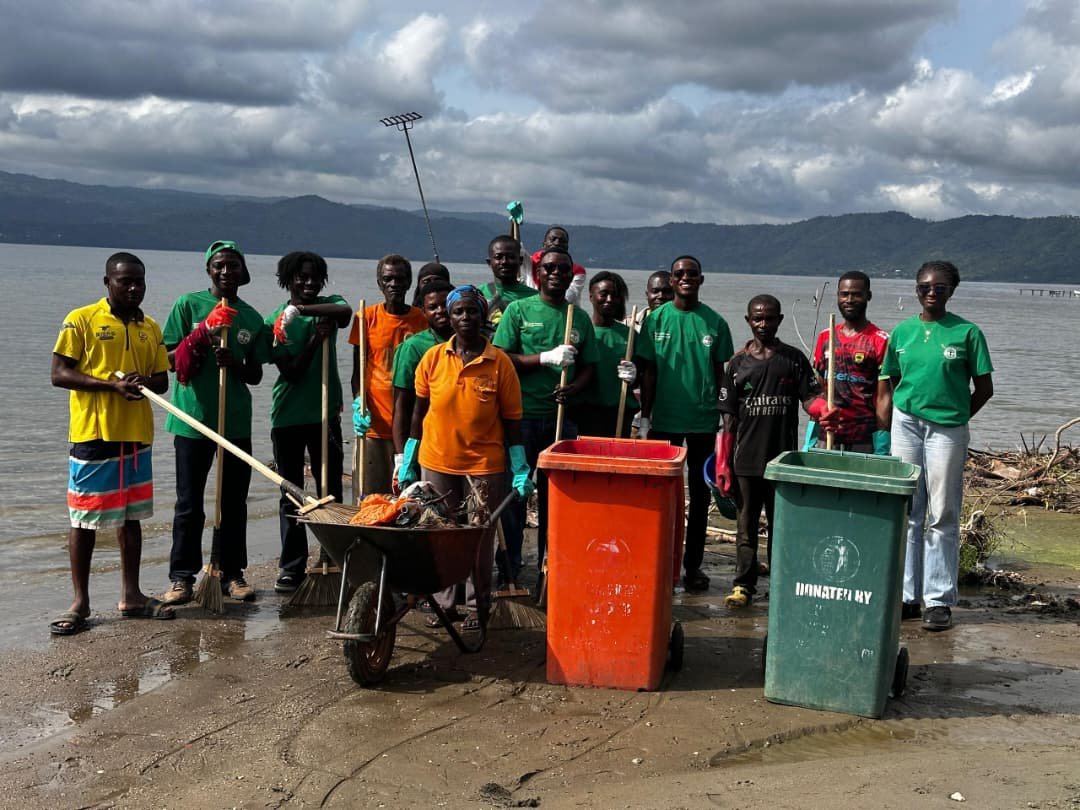
In commemoration of World Earth Day (WED), Rights of Nature Movement Ghana (RoNAG) spearheaded a major clean-up exercise and a Rights of Nature (RoN) sensitisation workshop with members of the Abono community in the Ashanti Region.
The exercise highlighted the urgent need for improved environmental practices and underscored the importance of community involvement in protecting nature.
The initiative, held on Tuesday, 28 April, 2026, brought together community members, volunteers and Zoomlion workers to tackle the devastating waste problem and restore the natural beauty of Ghana’s only natural lake, Lake Bosomtwe.
Their teamwork resulted in the removal of more than mountain heaps of waste, making the lakeside much cleaner and attracting additional visitors.
The Assembly member for the area, Honourable Joseph Appiah, and the Abono Community’s Traditional Council rallied local participation for the event.
The clean-up exercise was followed by a RoN sensitisation workshop that began with an interesting discussion on the history and religio-cultural relevance of Asuo Bosomtwe.
As a living deity, through an ecocentric lens and ancestral wisdom, participants discussed maintaining a harmonious relationship with Asuo Bosomtwe ensured healthier living and the devastating consequences of failing to follow the statutes of Asuo Bosomtwe today.
Community members, together with Abono Traditional Council, recounted how the unbridled anthropocentric activities by some greedy community members and the influence of some politicians from the government over the years have negatively impacted the health and well-being of Asuo Bosomtwe.
The participants mentioned the constant shrinking of the size and depth of the lake, the clearing of the vegetation bank, which sweeps away other ecological beings, and the decline in fish quality and quantity.
One of the primary concerns was the proper allocation and disposal of collected refuse. The absence of proper waste management facilities meant that garbage often accumulated at the shores of the lake, undermining clean-up efforts.
Furthermore, the weak enforcement of existing regulations against pollution has allowed environmental degradation of the lake’s banks to persist.
Other pressing issues included soil erosion and insufficient water drainage systems, both of which contributed to the continual deterioration of the lakeside environment. These challenges highlighted the need for a comprehensive and sustainable approach to protecting the lake’s natural elements.
To effectively address these problems and ensure the sustainable protection of Lake Bosomtwe, RoNAG proposed a River Rights and Protection By-Law for the Lake.
Participants were briefed on key sections of the proposed by-law including the formation, powers and functions of the Asuo Bosomtwe Guardian Council. The Council would include representatives from the Bosomtwe and Bosome Freho Districts, all the 22 surrounding communities, the Environmental Protection Authority (EPA) and environmental Civil Society Organisations (CSOs), traditional councils, women groups, fisherfolk and the youth.
The by-law also details offences and penalties for engaging in any of the prohibited activities in and around Asuo Bosomtwe.
For his part, the Director of RoNAG, Dr. Dickson Adom, told the participants that the legal framework would establish clear and enforceable rules for preserving the lake’s ecosystem, making it easier to hold individuals and organisations who often visit as tourists during special events and holidays accountable for harmful practices.
It was agreed that a later date will be communicated for another session to further discuss and firm up the proposed by-law for the Lake. Additionally, plans for developing alternative sources of livelihood for fisherfolk in closed, off and spawning seasons would also be discussed.
The participants mentioned the need for stricter enforcement of the dictates in the document, coupled with other existing regulations proposed by Community Resource Management Area (CREMA) and A Rocha Ghana.
Further, ongoing public education campaigns were recommended to raise awareness among community members and tourists about the importance of protecting the lake and the consequences of her pollution.
These efforts would be complemented by the implementation of improved waste management systems, including the provision of designated disposal sites and enhanced drainage infrastructure to reduce erosion and prevent waste from washing directly into the lake.
Meanwhile RoNAG has written letters to the Ashanti Regional Coordinating Council and the Bosomtwe District Assembly to make available the required logistics for an appropriate earmarked space for waste management.
By combining legal, educational and infrastructural solutions, RoNAG hopes to create a sustainable model for safeguarding the rights of Lake Bosomtwe, ensuring she continues to offer essential services for generations to come.
RoNAG used the opportunity to donate waste disposal plastic containers, long-handled brooms, reusable gloves and some RoNAG-branded caps when the participants were enjoying their Kenkey (a popular Ghanaian maize-based dish)party.
The Assembly member and representative from the Abono traditional council thanked RoNAG for the kind gesture, as well as Gower Street Trust, U.K., that provided funds for the engagement.
As World Earth Day continues to inspire action, RoNAG remains committed to advocating policies that uphold the rights of nature and foster a healthier, greener Ghana.
Добрый День,
Дорогие Друзья.
Сейчас я бы хотел рассказать немного про
купить место для ссылки.
Если вы всё ещё пытаетесь продвигать сайт без сильных
ссылок — вы теряете рынок. купил ссылок
После обновления алгоритмов в 2026 году в топ выходят
сайты с сильным ссылочным профилем.
купить ссылок
Если вы хотите обойти конкурентов, вам нужны **рабочие SEO ссылки**, а не помойные площадки.
руки купить ссылки для
Мы предлагаем живые ссылки, которые двигают позиции.
Это не просто покупка ссылок — это SEO‑ускоритель.
купить ссылки по раскрутки
Почему? наши ссылки работают даже после апдейта 2026:
– Сайты с живой аудиторией
– Авторитетные ресурсы, которые
усиливают ваш ссылочный профиль
– Естественный анкор‑микс
– Никакой автоматизации
– Никаких PBN
Вы получаете **ссылки, которые реально работают**, а не пустые обещания.
ссылки nofollow купить
+ Забудьте про количество — важна сила
Один сильный донор даёт больше, чем 50
слабых.
Поисковики распознают накрутку, поэтому мы даём **естественные, тематические, трастовые
ссылки**, которые поднимают позиции.
биржи ссылок или где купить ссылки
* Стратегический линкбилдинг — это необходимость
Если вы хотите:
– занять лидирующие позиции
– расти без рекламы
– поднять ключевые запросы
– усилить доверие поисковиков
— вам нужны **ссылки, которые дают результат**,
а не имитация работы. купить ссылки с англоязычных
Мы создаём естественный ссылочный профиль,
который работает под новые алгоритмы 2026.
куплю рекламную ссылку
Хотите доминировать? Тогда действуйте
Мы не продаём “ссылки ради ссылок”.
Мы продаём **результат**, и если вам нужен рост — мы сделаем так, что сайт поедет вверх.
куплю ссылки моды
На нашем сайте больше про купить ссылки seo – Наш сайт — https://kwork.ru/user/shevas или про где купить ссылки в статьях
Наши Теги: купить ссылку за рубль, ссылки с главной страницы купить, купить ссылки на
сайт где, ссылки в группах купить, купить ссылки для тиц.
Доброго Вам Дня! https://kwork.ru/user/shevas
Penggunaan teknologi dalam pendidikan semakin berkembang, dan salah satu sistem yang memainkan peranan penting ialah KT Online. Dengan sistem ini, pengurusan data menjadi lebih tersusun dan mudah diakses oleh pengguna KT Online. https://thepajsk.my/kt-online/