Communities Question Whether Past Ewoyaa Lithium Consultations Met FPIC Standards
Participants at a Town Hall Dialogue on Free, Prior and Informed Consent (FPIC) have questioned whether earlier consultations on the Ewoyaa Lithium Project genuinely met the standards of being free and informed, revealing an underlying sense that past engagement processes fell short of the principles they are meant to uphold.
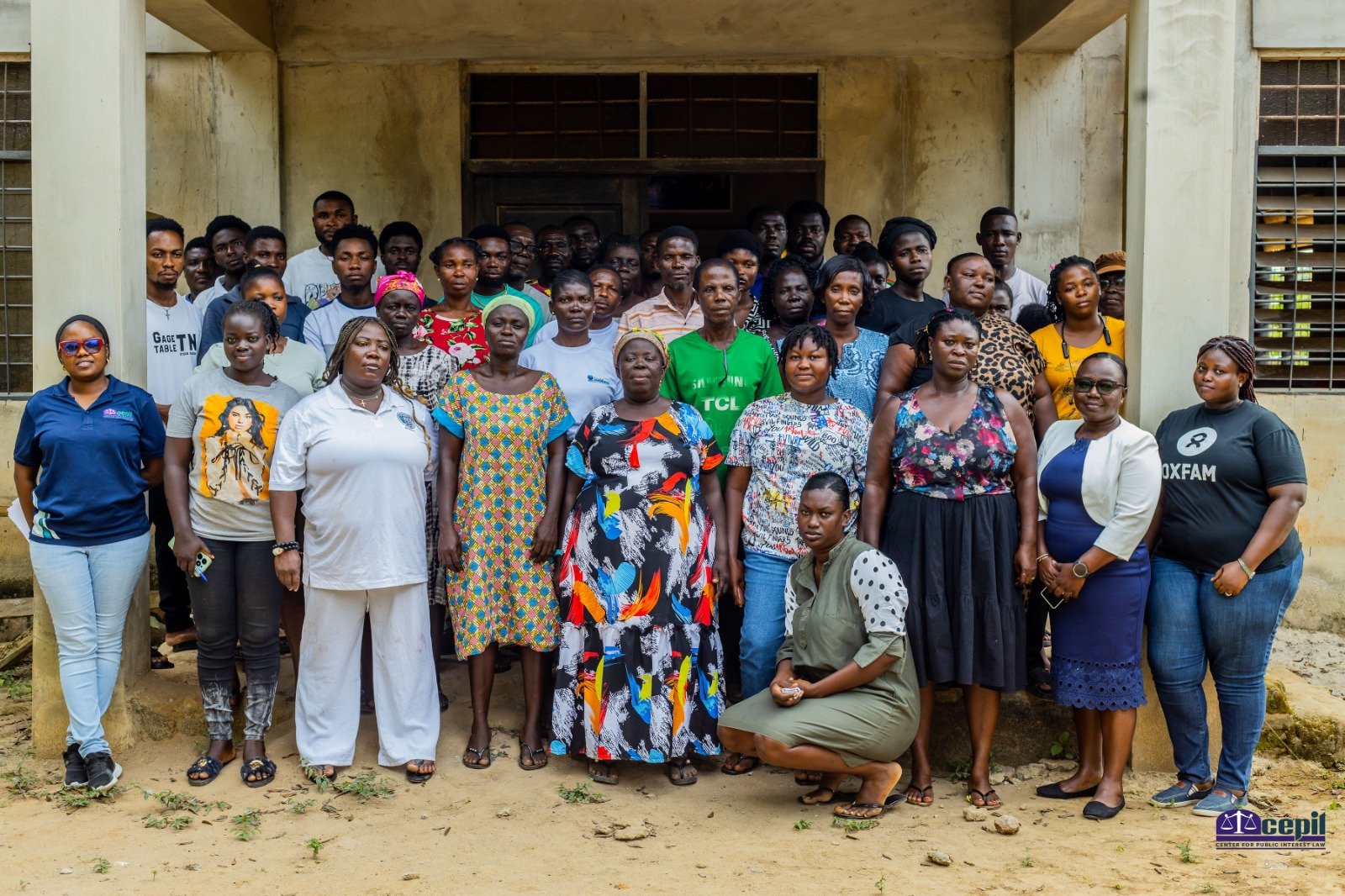
The dialogue, organised by the Centre for Public Interest Law (CEPIL) under the Feminist Mineral Initiative with funding from Oxfam in Ghana, linked the general principles of FPIC directly to community experience with the Ewoyaa Lithium Project. Several participants asked how FPIC differs from the consultations already carried out around the project, and whether those earlier engagements met the standard of being genuinely free and informed.
The facilitator noted that as the project enters implementation, decisions on resettlement, compensation and land use will test whether consent is treated as genuine and ongoing rather than a one-off formality. Under FPIC, consent must be free of coercion, intimidation, manipulation, or pressure; prior, meaning it must be sought and obtained before a project begins or before decisions affecting the community are finalised; and informed, meaning the information shared about a project’s risks, benefits, and impacts must be complete, honest, accurate, and communicated in a language and format the community understands. Consent itself means the community has the right to say yes, no, or yes with conditions, and to have that decision genuinely respected.
The Ewoyaa Lithium Project, located near Saltpond in the Central Region, is set to become Ghana’s first commercial lithium mine, spanning seven communities: Ewoyaa, Krofu, Abonko, Anokye (Anokyi), Krampakrom, Afrangua, and Ansadze. Following the discovery of lithium deposits in 2023 and Parliament’s ratification in March 2026 of the mining lease agreement between the Government of Ghana and Barari DV Ghana Limited, a subsidiary of Atlantic Lithium, the project has moved into an implementation phase involving resettlement, compensation and the commencement of mining operations. As this phase advances, community members, civil society organizations, and advocates have stressed that the right of affected communities to be meaningfully consulted and to give or withhold consent to decisions affecting their lands and livelihoods, must be respected and not bypassed in the interest of speed.
Participants also asked for practical guidance on how to request information from the company and government in a way that supports informed decision-making. Together with the facilitator, they identified the need for a clear, accessible channel through which community members can request project information and raise consent-related concerns, alongside continued education so that residents can act on their FPIC rights rather than treat the concept as purely theoretical.
CEPIL has recommended that the project document and communicate, in plain language, how past and future project decisions have incorporated, or will incorporate, community consent. The dialogue formed part of CEPIL’s continued contribution to community empowerment and accountability under the Feminist Mineral Initiative, promoting informed decision-making, community engagement and accountability as the Ewoyaa Lithium Project moves forward.