
Laboma Beach demolition: REGSEC moves to reclaim Kpeshie Lagoon buffer zone
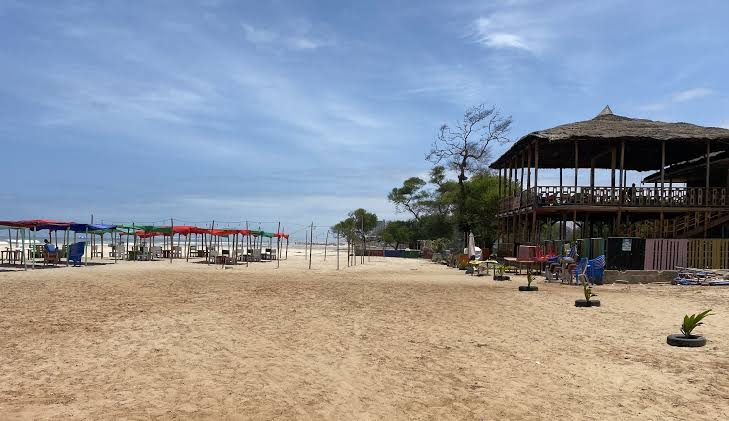
The Greater Accra Regional Security Council (REGSEC) is preparing to demolish structures located within the protected buffer zone of the Kpeshie Lagoon at Laboma Beach as authorities intensify efforts to tackle flooding in Accra.
The planned exercise follows a 21-day ultimatum issued to residents, businesses and owners of structures occupying portions of the lagoon’s buffer zone.
The directive was announced on August 7, 2026, after the Greater Accra Regional Minister, Linda Ocloo, led a REGSEC inspection of the Laboma area.
Authorities initially intended to begin the demolition immediately but decided to give affected occupants additional time after concerns were raised that some had not received sufficient notice.
The Regional Minister subsequently gave occupants 21 days to voluntarily remove structures within the designated buffer zone, warning that REGSEC would return to carry out the demolitions if they failed to comply.
Why are structures at Laboma being demolished?
REGSEC says the exercise is aimed at reclaiming the Kpeshie Lagoon and its buffer zone, which authorities say have been affected by years of siltation and encroachment.
The buffer zone is intended to provide space for excess rainwater to accumulate before gradually flowing towards the sea.
According to Ms Ocloo, construction within the area has reduced the space available for water to flow and contributed to flooding in parts of Accra.
“We want to get back that waterway,” the minister said during the inspection.
The planned demolition is also part of a broader government response following the devastating flooding recorded in Accra on June 29, 2026.
REGSEC has said the exercise is intended to remove structures obstructing waterways, restore drainage channels and reduce the city’s vulnerability to future flooding.
Beach clubs and businesses affected
Several businesses operating within the Laboma enclave have been identified as being within areas designated for reclamation.
They include Pink Flamingo, ULA Beach Club, Trophy, Bliss Escape, Amsterdam Kitchen, Si Beach Resort and Alora Beach Resort, according to reports on the REGSEC notice.
The affected properties include hospitality facilities that have become popular destinations for residents and visitors to Accra.
However, authorities maintain that commercial activity does not override the need to protect waterways and wetlands.
Minister questions permits
Ms Ocloo also questioned whether some of the affected structures had the necessary planning and development permits.
She said some developers had allegedly been warned while their projects were still at the foundation stage but proceeded with construction despite the warnings.
According to the minister, enforcement has previously been difficult because some occupants resisted attempts by local authorities to stop developments.
She said REGSEC was now determined to reclaim the designated buffer areas.
Military engineers involved
The demolition and reclamation exercise is being supported by security agencies and engineering personnel.
The 48 Engineer Regiment of the Ghana Armed Forces, together with a flood task force, has been involved in the exercise, while REGSEC provides overall support.
Authorities also intend to assess the extent of encroachment along the Kpeshie Lagoon and determine the amount of space required to restore the waterway.
The Ghana Hydrological Authority is expected to assist with the assessment.
Heavy security deployed at Laboma
Security personnel were deployed to the Laboma Beach area ahead of the planned demolition exercise.
Reports indicated that police and military personnel were stationed around parts of the area as authorities prepared for the operation.
The security presence comes amid concerns that some occupants could resist the demolition.
The Regional Minister has warned that people who obstruct the exercise could face arrest.
Authorities blame encroachment for flooding
Government officials have increasingly linked the development of structures along waterways and wetlands to Accra’s recurring flooding problems.
REGSEC says the Kpeshie Lagoon has become heavily silted, while structures within its buffer zone have further restricted the natural movement of water.
Officials argue that reclaiming the waterway will provide additional space for stormwater during periods of heavy rainfall.
The Greater Accra Regional Coordinating Council has also indicated that boulders and other obstructions affecting water flow will be removed as part of the reclamation exercise.
A bigger question: how did the development happen?
The Laboma demolition has also raised questions about how extensive developments were allowed to take place within an environmentally sensitive area over the years.
Citi Newsroom, in an analysis of the Laboma situation, questioned how the beachfront development expanded to its current scale despite the area’s importance as part of the Kpeshie Lagoon system.
That question is likely to remain central to the debate surrounding the demolitions.
While authorities are now moving to reclaim the buffer zone, residents and businesses affected by the exercise may also seek answers about the approvals, permits and regulatory processes that allowed some of the developments to proceed.
Laboma Beach demolition: REGSEC moves to reclaim Kpeshie Lagoon buffer zone
The Greater Accra Regional Security Council (REGSEC) is preparing to demolish structures located within the protected buffer zone of the Kpeshie Lagoon at Laboma Beach as authorities intensify efforts to tackle flooding in Accra.
The planned exercise follows a 21-day ultimatum issued to residents, businesses and owners of structures occupying portions of the lagoon’s buffer zone.
The directive was announced on August 7, 2026, after the Greater Accra Regional Minister, Linda Ocloo, led a REGSEC inspection of the Laboma area.
Authorities initially intended to begin the demolition immediately but decided to give affected occupants additional time after concerns were raised that some had not received sufficient notice.
The Regional Minister subsequently gave occupants 21 days to voluntarily remove structures within the designated buffer zone, warning that REGSEC would return to carry out the demolitions if they failed to comply.
Why are structures at Laboma being demolished?
REGSEC says the exercise is aimed at reclaiming the Kpeshie Lagoon and its buffer zone, which authorities say have been affected by years of siltation and encroachment.
The buffer zone is intended to provide space for excess rainwater to accumulate before gradually flowing towards the sea.
According to Ms Ocloo, construction within the area has reduced the space available for water to flow and contributed to flooding in parts of Accra.
“We want to get back that waterway,” the minister said during the inspection.
The planned demolition is also part of a broader government response following the devastating flooding recorded in Accra on June 29, 2026.
REGSEC has said the exercise is intended to remove structures obstructing waterways, restore drainage channels and reduce the city’s vulnerability to future flooding.
Beach clubs and businesses affected
Several businesses operating within the Laboma enclave have been identified as being within areas designated for reclamation.
They include Pink Flamingo, ULA Beach Club, Trophy, Bliss Escape, Amsterdam Kitchen, Si Beach Resort and Alora Beach Resort, according to reports on the REGSEC notice.
The affected properties include hospitality facilities that have become popular destinations for residents and visitors to Accra.
However, authorities maintain that commercial activity does not override the need to protect waterways and wetlands.
Minister questions permits
Ms Ocloo also questioned whether some of the affected structures had the necessary planning and development permits.
She said some developers had allegedly been warned while their projects were still at the foundation stage but proceeded with construction despite the warnings.
According to the minister, enforcement has previously been difficult because some occupants resisted attempts by local authorities to stop developments.
She said REGSEC was now determined to reclaim the designated buffer areas.
Military engineers involved
The demolition and reclamation exercise is being supported by security agencies and engineering personnel.
The 48 Engineer Regiment of the Ghana Armed Forces, together with a flood task force, has been involved in the exercise, while REGSEC provides overall support.
Authorities also intend to assess the extent of encroachment along the Kpeshie Lagoon and determine the amount of space required to restore the waterway.
The Ghana Hydrological Authority is expected to assist with the assessment.
Heavy security deployed at Laboma
Security personnel were deployed to the Laboma Beach area ahead of the planned demolition exercise.
Reports indicated that police and military personnel were stationed around parts of the area as authorities prepared for the operation.
The security presence comes amid concerns that some occupants could resist the demolition.
The Regional Minister has warned that people who obstruct the exercise could face arrest.
Authorities blame encroachment for flooding
Government officials have increasingly linked the development of structures along waterways and wetlands to Accra’s recurring flooding problems.
REGSEC says the Kpeshie Lagoon has become heavily silted, while structures within its buffer zone have further restricted the natural movement of water.
Officials argue that reclaiming the waterway will provide additional space for stormwater during periods of heavy rainfall.
The Greater Accra Regional Coordinating Council has also indicated that boulders and other obstructions affecting water flow will be removed as part of the reclamation exercise.
A bigger question: how did the development happen?
The Laboma demolition has also raised questions about how extensive developments were allowed to take place within an environmentally sensitive area over the years.
Citi Newsroom, in an analysis of the Laboma situation, questioned how the beachfront development expanded to its current scale despite the area’s importance as part of the Kpeshie Lagoon system.
That question is likely to remain central to the debate surrounding the demolitions.
While authorities are now moving to reclaim the buffer zone, residents and businesses affected by the exercise may also seek answers about the approvals, permits and regulatory processes that allowed some of the developments to proceed.
What happens next?
With the 21-day notice approaching its deadline, attention is now focused on whether the remaining occupants will voluntarily remove their structures or whether REGSEC will proceed with forced demolitions.
The exercise forms part of a wider government campaign to reclaim waterways and wetlands across Greater Accra.
For authorities, the immediate objective is to restore the Kpeshie Lagoon’s capacity to carry stormwater and reduce the risk of flooding.
For affected businesses and property owners, however, the demolition could result in significant financial losses and disruption to their operations.
The Laboma exercise therefore represents not only a crackdown on alleged encroachment but also a major test of the government’s determination to enforce planning and environmental regulations in Accra.
What happens next?
With the 21-day notice approaching its deadline, attention is now focused on whether the remaining occupants will voluntarily remove their structures or whether REGSEC will proceed with forced demolitions.
The exercise forms part of a wider government campaign to reclaim waterways and wetlands across Greater Accra.
For authorities, the immediate objective is to restore the Kpeshie Lagoon’s capacity to carry stormwater and reduce the risk of flooding.
For affected businesses and property owners, however, the demolition could result in significant financial losses and disruption to their operations.
The Laboma exercise therefore represents not only a crackdown on alleged encroachment but also a major test of the government’s determination to enforce planning and environmental regulations in Accra.