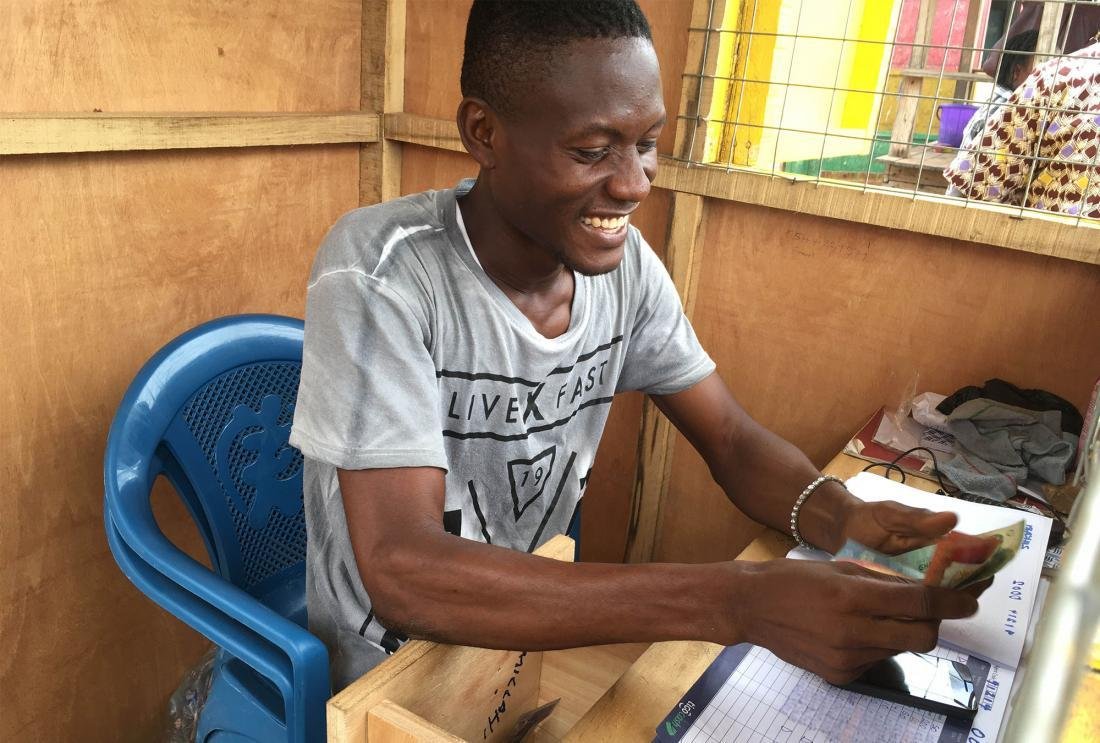
How to Create a Budget That Works for Your Lifestyle and Goals
A budget is more than just a list of income and expenses—it is a personal financial plan that helps you live within your means while still working toward your dreams. In Ghana, where many people balance salaries, small businesses, side hustles, family responsibilities, and community obligations, a well-designed budget can reduce stress and bring financial stability.
The key is not to create a “perfect” budget, but one that actually fits your lifestyle and long-term goals.
💡 1. Start With a Clear Picture of Your Income


Begin by calculating all your sources of income:
- Salary or wages
- Business profits
- Freelance or side income
- Mobile money transactions or commissions
If your income varies, use an average of the last 3–6 months. This helps you avoid overestimating what you can spend.
🧾 2. Track Every Expense Honestly
Write down everything you spend money on, including:
- Rent or housing
- Food and groceries
- Transport and fuel
- Utilities (electricity, water, internet)
- School fees or dependents
- Church offerings and social contributions
- Entertainment and personal spending
Many people are surprised when they see where their money actually goes.
🎯 3. Separate Needs From Wants


This is one of the most important steps.
Needs:
- Food
- Shelter
- Transport
- Basic utilities
Wants:
- Eating out often
- Luxury items
- Impulse purchases
- Unplanned entertainment
Prioritising needs ensures stability before pleasure.
💰 4. Set Financial Goals That Matter to You
A budget becomes powerful when it is tied to goals such as:
- Building emergency savings
- Starting a business
- Paying school fees
- Buying land or a home
- Clearing debt
When money has a purpose, it becomes easier to control.
🛑 5. Follow a Simple Budget Rule
You can use a basic structure like:
- 50% → Needs
- 30% → Wants
- 20% → Savings & debt repayment
Adjust it based on your situation. The goal is balance, not rigidity.
📊 6. Build an Emergency Fund First
Unexpected expenses are normal—medical bills, repairs, family needs, or job changes.
Start small:
- Save weekly or monthly
- Aim for at least 3 months of essential expenses over time
This gives you financial peace of mind.
📱 7. Use Simple Tools to Stay Consistent


You don’t need complex systems. Use:
- A notebook
- Excel or Google Sheets
- Mobile money statements
- Budgeting apps
Consistency matters more than complexity.
🚫 8. Avoid Lifestyle Inflation
As income increases, many people increase spending too quickly. Instead:
- Increase savings first
- Improve investments
- Maintain simple spending habits
This is how long-term wealth is built.
👨👩👧 9. Include Family and Social Obligations
In Ghanaian culture, financial support for family and community is important. Plan for:
- Weddings
- Funerals
- Church contributions
- Family support
Budgeting for these prevents financial stress later.
🔄 10. Review and Adjust Monthly
Your budget is not fixed. Review it every month:
- What worked?
- What overspent?
- What can improve?
Life changes, and your budget should adapt.
❤️ Final Thought
A successful budget is one that matches your real life—not an ideal one on paper. When you align your spending with your income, goals, and values, you gain control over your finances instead of feeling controlled by them.
The goal is simple: spend wisely, save consistently, and build the life you want step by step.