Ewoyaa Women Demand Stronger Voice In Lithium Talks
Women from communities affected by the proposed Ewoyaa Lithium Project have called for stronger representation and collective organisation to ensure their voices are heard in discussions on compensation, resettlement, livelihoods and the future of their communities.
The call was made during community knowledge-sharing and engagement sessions held from 19 to 21 October 2026 in Krofu, Krampakrom, Abonko and Ewoyaa in the Central Region.
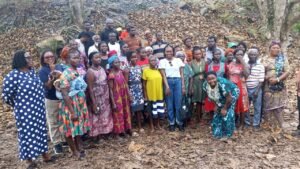
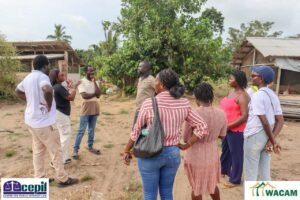
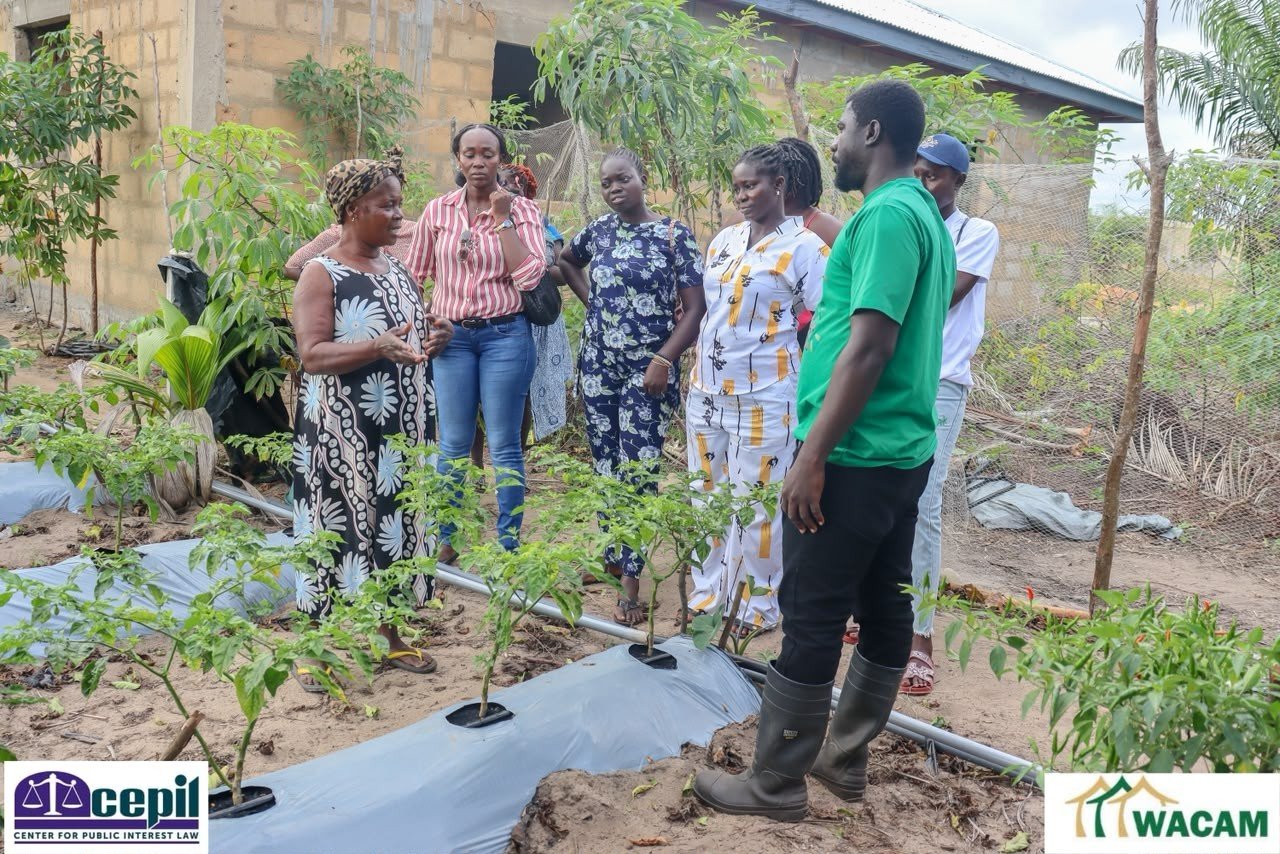
The forum, organised by Wacam, brought together 169 participants – 142 women and 27 men – including women groups, youth groups, adult men, farmers including landowners and tenant farmers and older persons from communities within the Ewoyaa lithium project landscape.
It was not a one-community meeting. It was a deliberate effort to take the lessons home – to the very communities where the lithium project will have the most direct impact – and to ensure that the knowledge gained during the exchange visit did not stay with only the few who travelled.
The key objective was to share lessons from the exchange visit to ENI, Ghana Gas Company Limited (GGCL) and Tarkwa Banso with women and other residents in the Ewoyaa project-affected communities.
The forum aimed to create opportunities for community members to reflect on the relevance of these experiences to their circumstances, identify concerns relating to community engagement, land access, compensation and resettlement and gather suggestions for strengthening collective representation, advocacy and follow-up with Atlantic Lithium and relevant stakeholders.
For many of the women present, it was the first time they were hearing in detail what happened in other mining communities – not from a company, not from a government official, but from their own colleague who had gone, seen, listened and returned to share.
Participants had the opportunity to learn from experiences shared by a community member who participated in the exchange visit to ENI, GGCL and Tarkwa Banso, a mining-affected community in the Western Region.
This peer-to-peer approach made the lessons more relatable. It enabled participants to reflect on the potential implications of mining activities for their own communities, in their own language, using examples they could understand.
The sessions were conducted as community knowledge-sharing and engagement sessions with women and other residents in Krofu, Krampakrom, Abonko and Ewoyaa.
Lessons from the exchange visit to ENI, GGCL and Tarkwa Banso were shared, followed by plenary discussions and question-and-answer sessions to encourage participants to reflect on the experiences shared.
Participants were engaged on concerns relating to community consultation, restrictions on farming and housing expansion, land access, compensation, resettlement and livelihood restoration. They were also taken through discussions on community leadership, women’s representation and the need for stronger collective organisation.
Community questions, concerns and recommendations were documented for follow-up engagement with Atlantic Lithium and relevant public institutions.
In Ewoyaa, discussions highlighted concerns about inadequate representation of affected residents and uncertainty surrounding compensation, resettlement and project timelines.
Participants said they often hear about decisions after they have been made, rather than being part of the discussions that lead to those decisions.
They said this created anxiety and mistrust, because people do not know what will happen to their farms, their houses and their future.
Participants expressed interest in organising stronger women’s and youth groups to engage collectively. The view was that when women speak as individuals, their voices are easily ignored, but when they speak as an organised group, with a common position, they are more likely to be heard by companies, traditional authorities and government institutions.
This was a recurring theme across the forums. According to the women, they are the ones who farm, who fetch water, who feed families and who hold households together when livelihoods are disrupted. Yet when it comes to meetings on land, compensation and resettlement, they are often under-represented.
The forum stressed that this must change if the Ewoyaa project is to be fair. The engagements with GGCL and ENI, as shared during the forum, demonstrated how corporate social responsibility interventions in education, health and women’s socio-economic empowerment can contribute to community development.
Participants heard how companies can support girls’ education, health services and women’s livelihoods, and how such interventions, when properly planned with communities, can make a real difference.
Such initiatives, the organisers said, provided useful lessons for strengthening discussions on corporate responsibility in the Ewoyaa project landscape. The lesson was not that communities should simply wait for CSR projects, but that they should be able to engage companies from an informed position and demand interventions that respond to their actual priorities.
The experience-sharing session at Tarkwa Banso also highlighted the importance of understanding the potential implications of mining, particularly displacement, resettlement, inadequate compensation, loss of farmland and livelihoods and environmental impacts. These experiences offer important lessons for communities preparing to engage with mining companies.
For the women in the forum, the Tarkwa Banso story was a warning and a lesson. It showed what can happen when communities are not adequately consulted, when compensation does not reflect the true value of what is lost and when resettlement is not properly planned. It also showed why women must be at the table – because it is women who feel the impact most when farms are lost and families are displaced.
The forum also reinforced a key principle: meaningful consultation must create opportunities for dialogue. The experiences shared by residents of Tarkwa Banso demonstrated that community engagement should go beyond providing information.
Companies and other stakeholders need to create opportunities for residents to ask questions, express concerns and receive clear responses on decisions affecting their lives.
Participants agreed that a meeting where people were only told what will happen was not consultation. According to the, real consultation meant people can ask questions, challenge decisions, propose alternatives and get clear answers.
The exchange, the organisers said, reinforced the need to ensure that women are adequately represented in discussions concerning land acquisition, compensation, resettlement and livelihood restoration, given the implications of these decisions for their socio-economic well-being.
Peer learning, they added, can strengthen community advocacy and accountability. Direct interaction with experienced communities and institutions equips women with practical knowledge and perspectives that can inform future engagement with companies, traditional authorities and government institutions.