Five Schools Under Review As RoNAG Monitors Tree-Planting Initiative
Monitoring exercise records about 80 per cent survival rate, while pests and stray animals remain a concern; learning materials and club T-shirts distributed to schools
Rights of Nature Ghana Movement (RoNAG) has carried out a monitoring and inspection exercise across five schools participating in its native tree-planting initiative, as part of efforts to promote environmental conservation and strengthen nature-based education among schoolchildren.
About the Exercise
The exercise, held on 5 and 6 November 2026, forms part of the organisation’s ongoing commitment to ensuring that its tree-planting activities deliver lasting environmental benefits.
The project is being implemented under the theme “Learn Native, Plant Native, and Grow Native.” It seeks to promote the planting, understanding and conservation of native plant species while encouraging young people to develop a stronger connection with nature. It benefits from a collaborative funding model by Gower Street Trust UK.
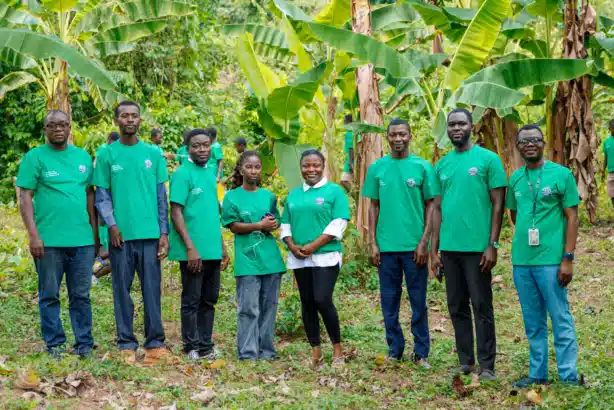
The inspection covered Wabri Methodist, Wabri M.A., Achiase Primary, Achiase JHS and Akrofrom D.A. schools. The monitoring team comprised Dr. Dickson Adom, Mr. Benjamin Osum, Mr. Bright Baidoo, Marvellous Mensah and Joycelyn Obeng, both of the RoNAG Youth Wing.
Findings: Encouraging Survival, Persistent Threats
During the exercise, the team assessed the condition of the previously planted trees, monitored their growth and evaluated their survival rates. The findings were encouraging, with approximately 80 per cent of the trees planted in most of the schools having survived.
However, the inspection also revealed challenges affecting the growth and survival of the plants. The major concerns were pest attacks and damage caused by animals from surrounding communities. These challenges underscore the need for improved plant protection measures, regular maintenance and sustained monitoring to ensure the continued growth of the trees.
Engaging Teachers and Learners
The exercise also gave the team the opportunity to engage teachers and students on the importance of caring for plants and protecting the natural environment. Recognising that conservation must go beyond the physical act of planting trees, RoNAG built an educational component into the initiative to equip learners with the knowledge and practical understanding needed to nurture and protect plants.
Learning Resources for Schools
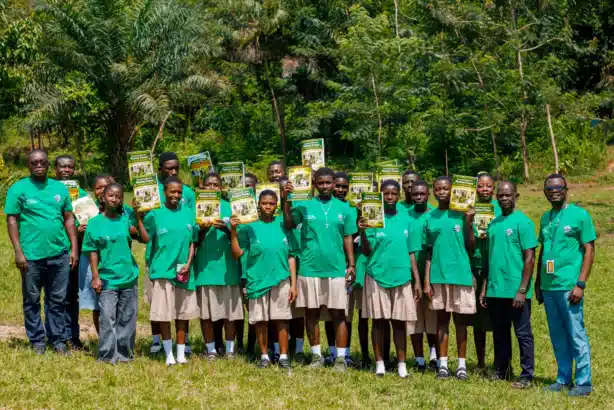
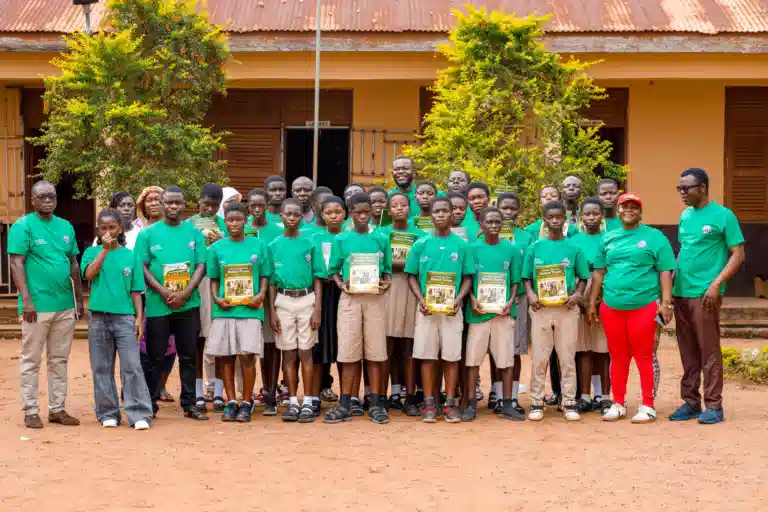
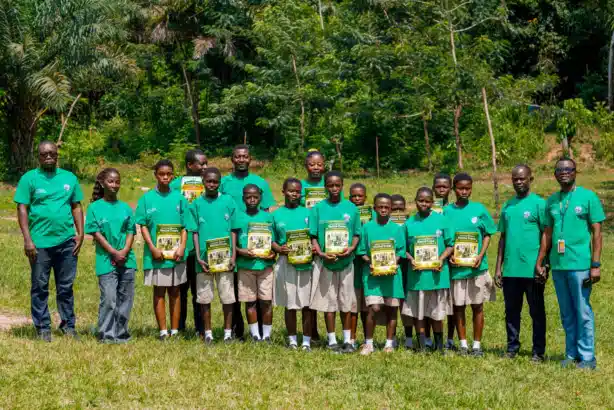
As part of this effort, specially developed learner guides were presented to students in the beneficiary schools. The guides, designed for Basic 1–3, Basic 4–6 and Junior High School learners, introduce age-appropriate lessons on plant care, environmental awareness and the importance of conserving nature. A complementary teacher’s guide was also provided to help teachers deliver the lessons and make effective use of the materials in their classrooms.
The learning resources for teachers and learners were written by Dr. Dickson Adom, who is also the Director of RoNAG and a Senior Lecturer at the Department of Educational Innovations in Science and Technology, Faculty of Educational Studies, CABE/KNUST, and Yvette Harvey-Brown of Botanic Gardens International UK.
Climate and Nature-Based Education Clubs
T-shirts were also presented to the schools to support the establishment of Climate and Nature-Based Education Clubs. The clubs are expected to serve as platforms for students to take part in environmental activities, deepen their understanding of climate and nature-related issues, and play an active role in promoting environmental responsibility in their schools and communities.
Extending the Reach to Northern Ghana
In Northern Ghana, RoNAG partnered with the SUNG Foundation, which equally distributed club T-shirts and learning materials to five selected basic schools in the Northern Region. Within the current project framework, the SUNG Foundation also carried out a similar monitoring exercise in its beneficiary schools.
The SUNG Foundation’s contribution extends the reach of the initiative, helping to promote nature-based education and tree care in more than one region of the country.
Looking Ahead
The initiative reflects a broader understanding that building a sustainable relationship between people and nature requires more than planting trees. It also demands education, consistent care, community involvement and the development of environmental consciousness from an early age.
Through “Learn Native, Plant Native, and Grow Native,” RoNAG continues to demonstrate the value of combining practical conservation activities with environmental education in school communities. By nurturing both trees and young environmental stewards, the organisation is contributing to efforts to safeguard Ghana’s natural heritage for present and future generations.