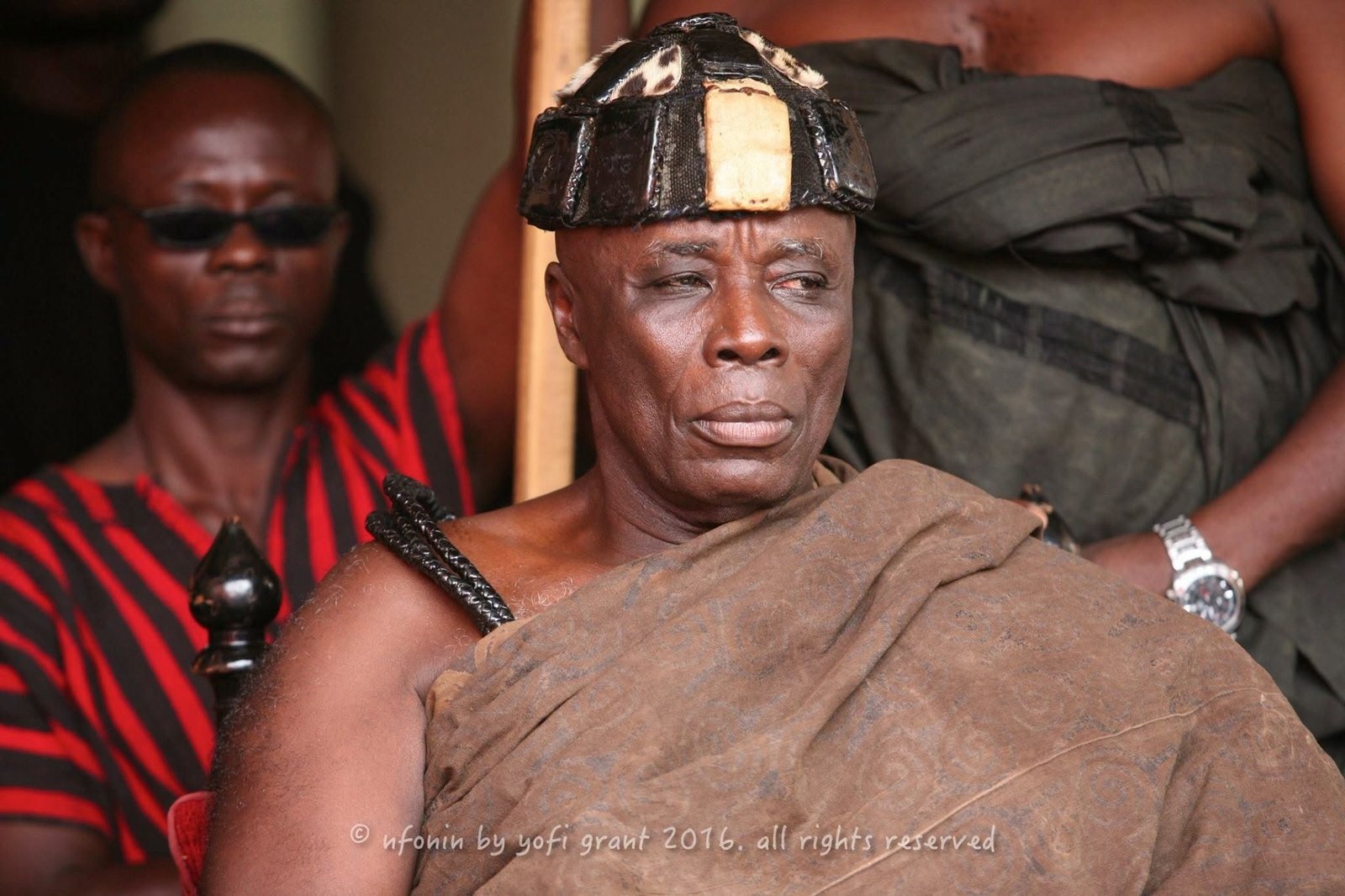
THE NSAKYE BLOODLINE: How a 1730 Rebellion and a Stone That Never Sprouted Forged Okuapeman
HISTORICAL INVESTIGATIVE REPORT | SPECIAL FEATURE
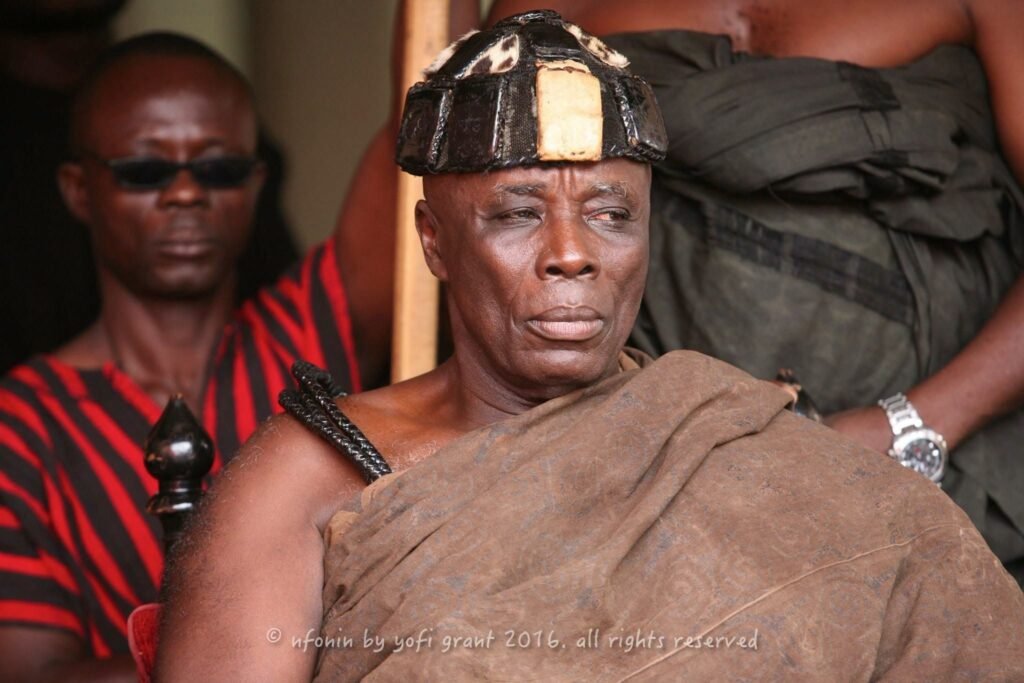
AKROPONG, Ghana — In the dense, mist-shrouded hills of the Eastern Region, history is not merely remembered—it is walked upon. Beneath the quiet, sacred groves of Amamprobi lies the silent origin of a state carved out of defiance, strategic alliances, and the brutal realities of 18th-century West African power politics.
Long before the modern municipalities of Akuapem North and South took shape on administrative maps, this ridge was the stage for one of the most decisive geopolitical shifts in Gold Coast history: the 1730 Battle of Nsakye and the subsequent founding of the Okuapeman Kingdom in 1733.
The Cry of the Oppressed: A Ridge Under Siege
By the late 1720s, the Guan and Kyerepon communities inhabiting the Akuapem ridge were living under a suffocating hegemony. The Akwamu Kingdom, then an expansive military empire stretching across the Gold Coast hinterlands, ruled the region with an iron fist. Diplomacy had failed, local armed resistance was crushed, and flight was nearly impossible.
Desperate to break the chains of Akwamu overlordship, local leaders met under the cover of darkness. Five delegates were chosen for a high-stakes diplomatic mission to Kyebi, the seat of the Akyem Abuakwa state:
- Opanin Ayeh Kissi (Leader of the delegation)
- Nana Osew (Adukrom)
- Nana Awukutia (Awukugua)
- Nana Domfe Mante (Larteh)
- Nana Kwabena Yobo (Obosomase)
Their mission was simple yet perilous: convince the Okyenhene, Osagyefuo Owusu Akyem Tenten, to deploy Akyem military might to liberate the ridge.
The March of the Thousand: The Fall of Akwamu
Recognizing both the humanitarian plea and the strategic advantage of dismantling Akwamu dominance, Okyenhene Owusu Akyem Tenten agreed. He mobilized his elite forces—the legendary Twafo “Asafo” of Akyem Akropong alongside the Kyebi Asafo—placing his fierce nephew, the warlord Odehyie Nana Safori, in command.
          [ THE NSAKYE CAMPAIGN TIMELINE (1730) ]

  Sept 21, 1730               Sept 23, 1730           Post-Battle
  Akyem & Guan alliance  ---> Swift, decisive victory ---> Akwamu forces flee to
  arrives on the ridge.       at Nsakye. Akwamuhene        the Volta River; Akwamu
                              Odeneho Ansah Kwao executed. empire shattered.
On September 21, 1730, the vanguard of the Akyem forces arrived on the ridge. Just two days later, on September 23, 1730, the Battle of Nsakye reached its violent climax.
The battle was swift, brutal, and absolute. The Akwamuhene, Odeneho Ansah Kwao, was captured alive and executed on the field. Broken and leaderless, the remaining Akwamu forces scattered east toward the banks of the River Afram (now the Volta River).
“Akuw Apem”: The Fear That Forged an Identity
Though victorious, the Guan and Kyerepon chiefs harbored a deep fear: What if the Akwamus regrouped and returned?
They implored Odehyie Safori and his thousands of Akyem warriors to remain on the ridge as protection. Okyeame Aworoben of Mamfe offered the land of Amamprobi as a temporary military encampment.
As thousands of Akyem soldiers settled across the hills, the indigenous locals began referring to the massive garrison as “Akuw Apem”—translating in the Akan language to “thousand groups” or “battalions.” Over generations, the phrase softened into the name known today: AKUAPEM.
The Unsprouting Stone
To formalize the security pact, a legendary symbolic accord was struck. A stone was planted deep into the earth, with the agreement that the Akyem warriors would only pack their war drums and return to Kyebi when the stone germinated and sprouted leaves.
It was a brilliant geopolitical trick: a stone never sprouts. The Akyem warriors stayed.
1733: The Abotakyi Accord & The Birth of a Kingdom
Three years after the routing of Akwamu, the alliance moved from a temporary military occupation to permanent statehood. In 1733, chiefs, warlords, and elders gathered at Abotakyi—a town situated between modern-day Amanokrom and Mampong.
Before the sacred deity Obosom Kyenku of Obosomase, a covenant sealed in blood and traditional oaths was struck:
- Odehyie Nana Safori was installed as the paramount king of the unified ridge, taking the stool name Oseadeeyo Ofori Kuma I.
- The newly forged state was christened Okuapeman.
- A sophisticated governance structure was established, dividing administrative and military command across strategic towns:
| Traditional Division | First Appointed Commander / Paramount Role | Seat / Key Town |
| Konti (formerly Adonten No. 1) | Nana Ofei Kwasi Agyemang | Regional Command |
| Adonten | Traditional Vanguard Division | Aburi |
| Gyase | Nana Kwao Amanor (Nephew of Safori) | Amanokrom |
| Nifa (Right Wing) | Eastern Sector Command | Adukrom |
| Benkum (Left Wing) | Western Sector Command | Larteh |
| Kyidom (Rear Guard) | Tactical Reserve | Mamfe |
| Twafo (Advance Guard) | Reconnaissance Division | Brekusu |
Demonstrating early political diplomacy, Akwamu remnants who chose to stay behind—such as the people of Aburi—were fully integrated into the state structure after pledging direct loyalty to the Okuapemhene.
From Amamprobi to Akropong: A Sacred Legacy
Oseadeeyo Ofori Kuma I initially governed from the valley of Amamprobi. However, severe seasonal rains and flooding made the valley unsustainable. Recognizing the king’s plight, Abiriwhene Nana Baah Agyiri granted him higher, more defensible land near Abiriw.
There, the King established his permanent capital, naming it Akropong in honor of his ancestral Akyem home.
       [ GEOGRAPHICAL SPREAD OF MODERN OKUAPEMAN ]

   +---------------------------------------------------+
   |                 OKUAPEMAN STATE                   |
   +-------------------------+-------------------------+
                             |
       +---------------------+---------------------+
       |                                           |
  Akuapem North               Akuapem South       Nsawam-Adoagyiri
  Municipality                District            Municipality
  (Okere & Akropong)          (Aburi)             (Shared with Okyeman)
Today, the original site of Amamprobi is no longer a settlement; it is Okuapemhene’s Banmu—the sacred, highly restricted royal mausoleum where every Okuapemhene is laid to rest upon joining his ancestors.
The Modern Echoes of 1730
Nearly three centuries later, the empire of Akwamu—once stretching across vast territories—stands reduced to three independent traditional areas (Akwamu, Boso, and Anum) within the Asuogyaman District.
In contrast, Okuapeman stands as a towering cultural powerhouse in Ghana’s Eastern Region, bridging rich Guan, Kyerepon, and Akan heritages under a single paramount stool.
“The story of Okuapeman is a masterclass in ancient diplomacy and military strategy,” notes regional historians. “It proved that distinct ethnic groups could unite under a shared threat, form an unbreakable covenant, and build a civilization that withstands centuries.”
From a desperate night journey to Kyebi to a stone planted deep in the soil, the legacy of 1730 lives on—not just in history books, but in every beat of the Fontomfrom drums echoing across the Akuapem ridge.
References & Historical Sources:
- Attobrah, K. (1976). The Kings of Akyem Abuakwa and the Ninety-Nine Wars against the Asantes. Tema: Ghana Publishing Company.
- Oral Traditions & Stool Histories of the Okuapeman Traditional Council.