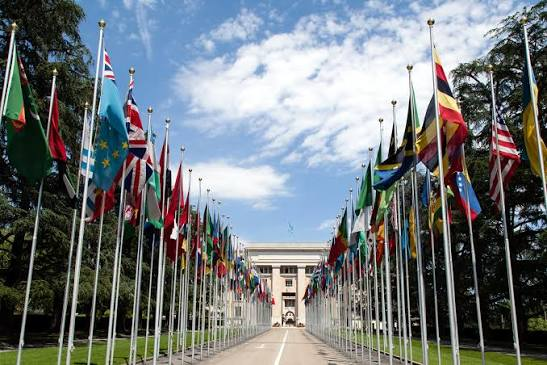
Observing Flags and What They Represent
Flags are more than colourful pieces of fabric flying on poles. They are powerful national symbols that represent a country’s history, values, identity, and aspirations. Across the world, flags inspire patriotism, unity, and pride, especially during national celebrations, sporting events, and official ceremonies. In Ghana, the national flag serves as a reminder of the nation’s struggle for independence and the shared responsibility of every citizen to contribute to national development.
The Ghanaian flag was officially adopted on 6th March 1957, the day Ghana became the first country in sub-Saharan Africa to gain independence from colonial rule. Designed by Theodosia Salome Okoh, the flag has become one of the country’s most recognisable national symbols. It reflects Ghana’s determination, freedom, and hope for a prosperous future.
The flag consists of three horizontal stripes—red, gold, and green—with a black five-pointed star in the centre of the gold stripe. Each colour carries a special meaning. The red stripe symbolises the blood shed by those who fought for Ghana’s independence. The gold stripe represents the country’s rich mineral resources, particularly gold, which has played a significant role in Ghana’s economy. The green stripe stands for the nation’s forests, fertile lands, and agricultural wealth.
At the centre of the flag is the black star, often referred to as the Black Star of Africa. It symbolises the freedom and unity of the African continent and represents Ghana’s leadership in promoting African independence and solidarity. The Black Star has become such an important national symbol that it also appears on Ghana’s coat of arms and inspired the name of the national senior football team, the Black Stars.
Observing the national flag is a sign of respect for the country and its people. During Independence Day celebrations, school assemblies, state functions, and other official events, the flag is proudly displayed to remind citizens of the sacrifices made by past generations. Raising or lowering the flag is often accompanied by the singing of the national anthem, creating moments of national reflection and unity.
Flags are also used to communicate identity and belonging beyond national borders. During international sporting competitions such as the FIFA World Cup, the Olympic Games, and the African Games, Ghanaians proudly wave the national flag to support their athletes. The sight of the red, gold, and green colours often brings people together regardless of their ethnic background, religion, or political affiliation.
Respect for the flag involves handling it with dignity. It should be kept clean, displayed properly, and not allowed to touch the ground unnecessarily. Torn or badly damaged flags should be replaced respectfully. Treating the national flag with care demonstrates appreciation for the country’s heritage and the values it represents.
Beyond national flags, many organisations, institutions, and traditional authorities also have their own flags and banners. Schools, universities, security services, and cultural groups use flags to represent their identity and values. These symbols help members develop a sense of pride, unity, and shared purpose.
Understanding the meaning behind different flags also promotes global awareness. Every country’s flag reflects aspects of its history, geography, culture, or political journey. Learning about these symbols encourages respect for other nations and helps people appreciate the diversity of the international community.
Parents and teachers have an important role to play in educating young people about the significance of the Ghanaian flag. Teaching children the history of independence, the meaning of the flag’s colours, and the importance of national symbols helps nurture responsible citizens who value patriotism and civic responsibility.
National holidays such as Independence Day provide excellent opportunities to reflect on what the flag truly represents. While flying the flag is an expression of national pride, true patriotism is demonstrated through honesty, hard work, respect for the law, environmental responsibility, and active participation in community development.
Ultimately, observing flags is about more than ceremonial tradition. It is about recognising the history, sacrifices, and aspirations they represent. For Ghanaians, the national flag is a powerful symbol of freedom, unity, and hope. By respecting it and understanding its meaning, citizens honour the nation’s past while reaffirming their commitment to building a peaceful, prosperous, and united Ghana for future generations.