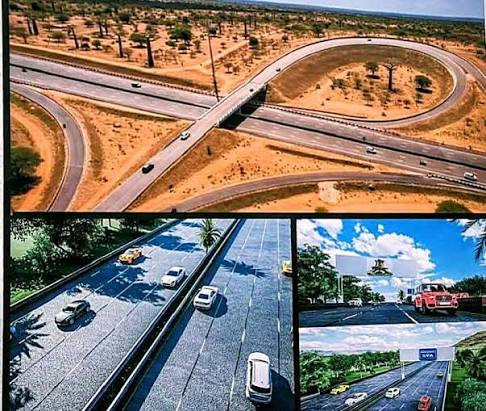
Burkina Faso Completes First Clearing Phase of Ouagadougou–Bobo-Dioulasso Expressway Ahead of Schedule
Burkina Faso has reached a significant milestone in its ambitious road infrastructure programme with the successful completion of the first clearing phase of the Ouagadougou–Bobo-Dioulasso expressway. The initial works, covering the 332-kilometre route, were completed in less than two months, marking an important step toward the construction of one of the country’s largest highway projects.
According to reports, more than 232 kilometres of the planned route were cleared within approximately 40 to 45 days, demonstrating the pace and efficiency of the project. The clearing exercise involved removing vegetation, structures, and other obstacles to establish a 100-metre-wide right-of-way for the future expressway.
The project was officially launched in December 2025 under Captain Ibrahim Traoré’s “Faso Mêbo” initiative, a national development programme aimed at strengthening Burkina Faso’s infrastructure through locally driven solutions. Unlike many large-scale infrastructure projects across the region, the expressway is being executed entirely by Burkinabè engineers and state institutions without the involvement of foreign construction contractors.

<iframe width=”1479″ height=”832″ src=”https://www.youtube.com/embed/ILJt_JYdBlU” title=”Burkina Faso’s First Highway Takes Shape: Ouagadougou–Bobo Project Moves Rapidly” frameborder=”0″ allow=”accelerometer; autoplay; clipboard-write; encrypted-media; gyroscope; picture-in-picture; web-share” referrerpolicy=”strict-origin-when-cross-origin” allowfullscreen></iframe>
The planned eight-lane expressway is expected to become one of the country’s most important transport corridors, connecting the capital, Ouagadougou, with Bobo-Dioulasso, Burkina Faso’s second-largest city. Once completed, the highway is anticipated to improve the movement of people and goods, reduce travel times, and stimulate economic activity between the country’s major commercial centres.
Government officials have highlighted the project as a demonstration of national capacity, emphasizing the expertise of local engineers, technicians, and equipment operators responsible for carrying out the work. The rapid completion of the first phase has been presented as evidence of the country’s ability to undertake major infrastructure projects using domestic resources and expertise.
Heavy machinery, including bulldozers, excavators, graders, and earth-moving equipment, has been deployed across multiple sections of the route to accelerate progress. Work crews continue preparing the corridor for the next stages of construction, which will include earthworks, drainage systems, pavement installation, and supporting infrastructure.
The “Faso Mêbo” initiative forms part of a broader strategy to modernize Burkina Faso’s transport network, improve regional connectivity, and promote economic development through investment in critical infrastructure. Authorities believe improved road networks will enhance trade, facilitate access to services, and support long-term national development goals.
As construction advances, the Ouagadougou–Bobo-Dioulasso expressway is expected to become a landmark infrastructure project for Burkina Faso, showcasing the country’s commitment to self-reliance and sustainable development through locally led engineering and construction efforts.