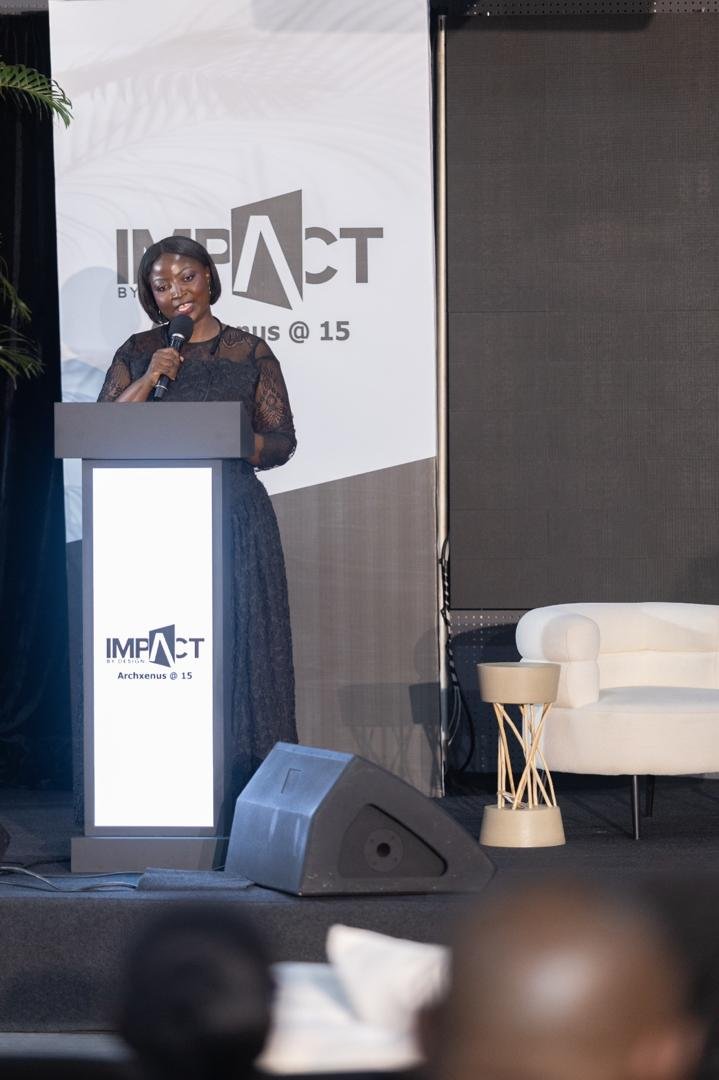
ArchXenus launches foundation and African Urban Futures Conclave at 15th anniversary
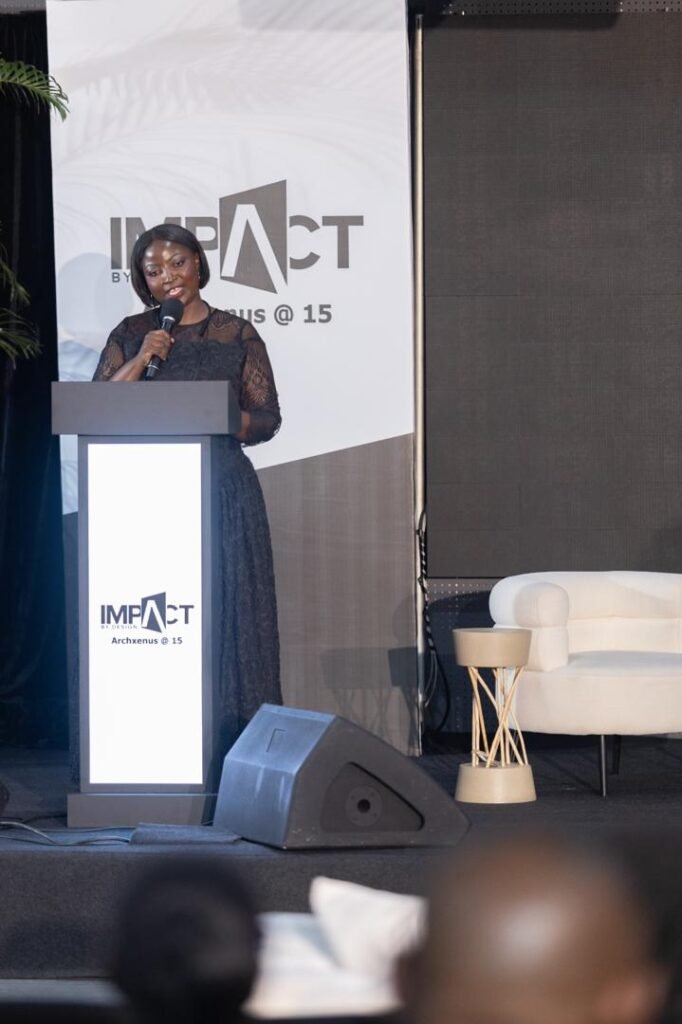
ArchXenus has marked its 15th anniversary with the launch of the Xenus Impact Foundation and the African Urban Futures Conclave, alongside the unveiling of GeneXus, a book documenting 12 selected projects by the architecture firm.
The two-day celebration, held on 10 and 11 November 2026 at Christ Temple East in Accra, a building ArchXenus designed and whose construction it managed, brought together reflections on the firm’s work and a wider conversation about the challenges facing Ghana’s built environment, including city planning, housing, climate-responsive design and investment.
The firm, which has delivered more than 140 projects over the past 15 years, is led by Nana Akua Oppong-Birmeh and Agnes Ofosu-Appiah, both Partners and Principal Architects at ArchXenus E and Co-Directors of the Xenus Impact Foundation.
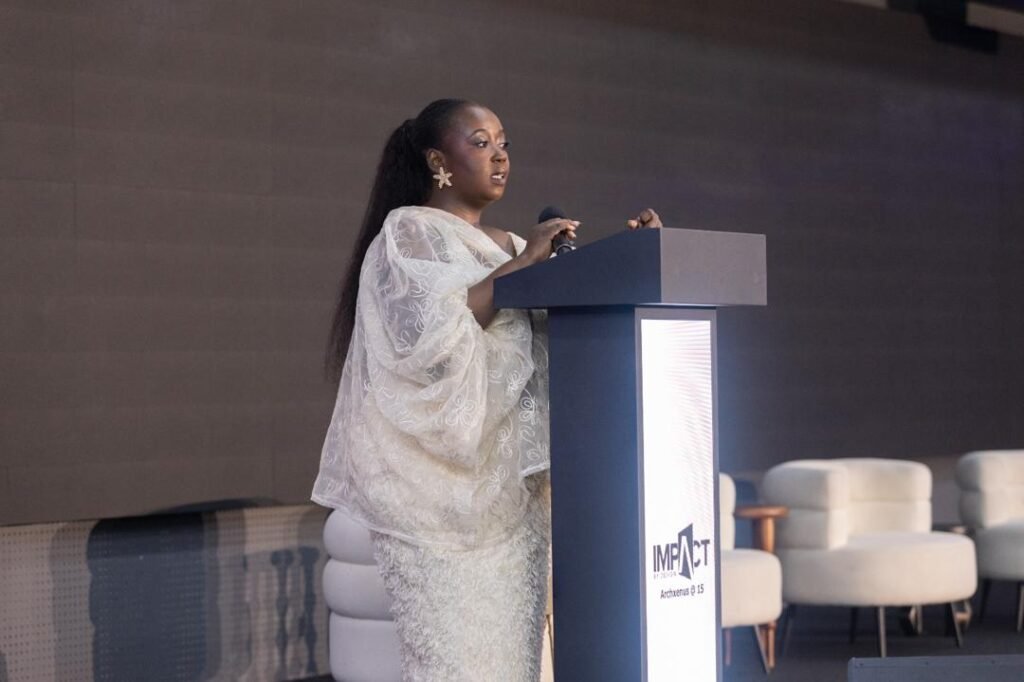
The partners said the Foundation was established to give ideas room to grow beyond the firm’s commercial operations and to use its skills and experience to support communities through impact projects and corporate social responsibility. It works in four ways: publishing, through AX Press, which includes GeneXus; building, through impact projects; convening, through gatherings such as the Conclave; and showing, through exhibitions, including Time Space and Essence in Venice in 2027.
Agnes said the African Urban Futures Conclave was intended to create a platform for professionals and stakeholders across Ghana and West Africa to engage beyond their individual disciplines. She said discussions in the built environment were often siloed, with architects speaking to architects and engineers to engineers, despite the need for joint approaches to urban challenges.
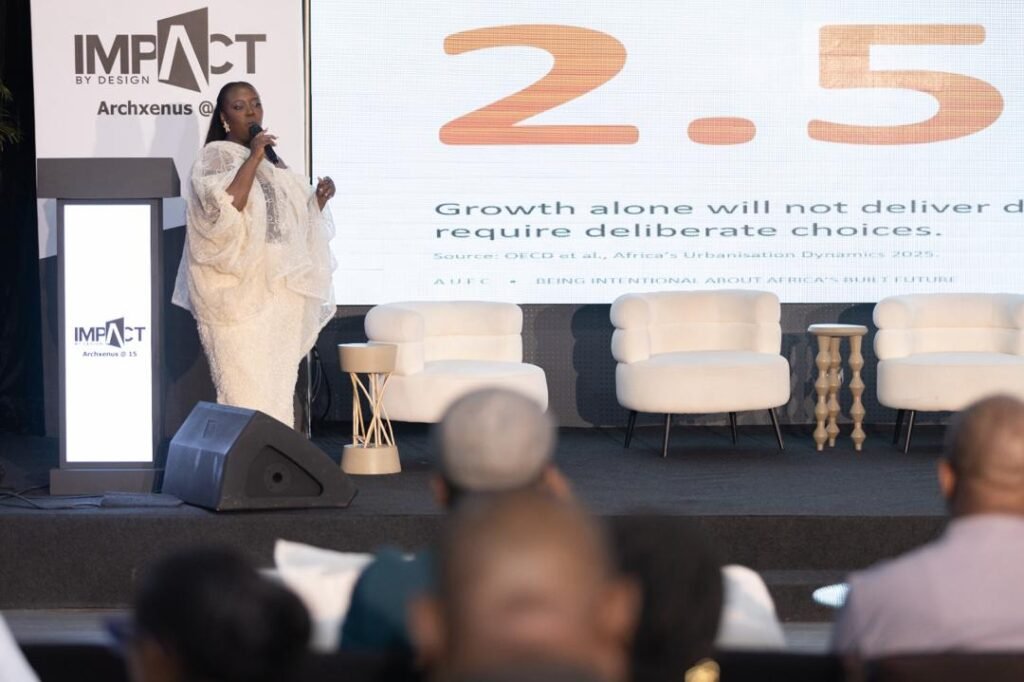
The full Conclave is planned for April 2027 and is expected to be held every two years, bringing stakeholders together to exchange ideas, plan, make deals and agree on practical actions that can be reviewed at the next edition. Ahead of it, ArchXenus has agreed a challenge with the Ghana Institute of Architects inviting architects to showcase solutions to the problems facing cities.
Reflecting on 15 years of practice, the partners identified the people who had gained confidence and opportunities through the firm, particularly women balancing careers and family life, as its most important achievement.
“Just by virtue of our existence, so many people have found their feet, especially women. They have found the confidence to pursue their passion, to proceed into family life, and not worry about so many things, because we are modelling this and creating an opportunity for us to grow,” Nana Akua said.
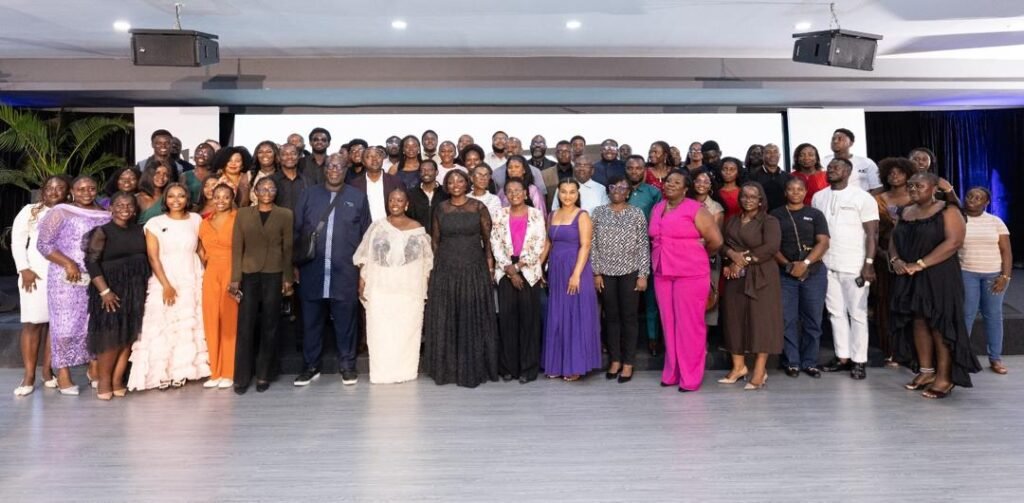
“Being partners and running the firm together has taught us that there’s strength in numbers. We are both married women with children, so we have life happening as well as work that is ongoing. When one person is down or out, the other steps in. We complement each other, which allows us to work, see where the gaps are in the built industry, and provide solutions for them,” Agnes said.
Nana Akua said GeneXus was intended to strengthen the documentation of Ghanaian architecture, noting that the industry often relied on foreign publications while projects designed and led by Ghanaians remained less visible as learning resources. Every project in the book can be visited.
“We usually rely on foreign publications for inspiration. This is an opportunity for people to gather inspiration right here, in our cities, in Ghana, designed and led by Ghanaians, with familiar names, in places where you can actually pick a cab, go and experience them, and get inspired,” she said.
She also called for a shared vision to guide the development of Ghanaian cities, saying architects often had to work within a defined plot and could not directly influence neighbouring properties, even when a wider approach was needed.
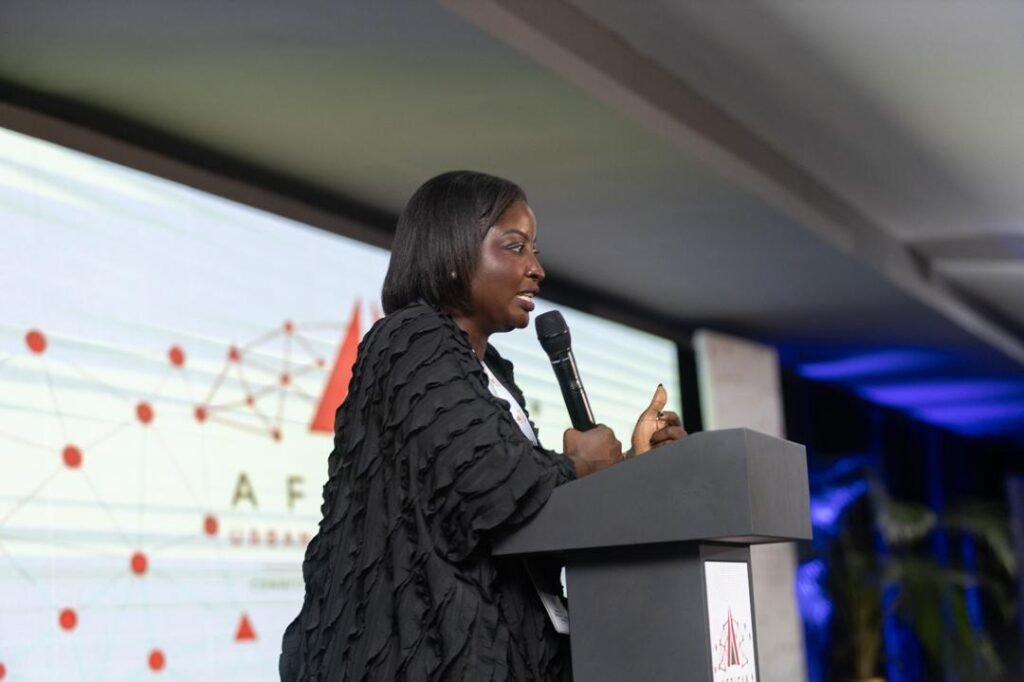
“For an architect, you are usually given a defined plot of land to work with. You can think beyond it, but you can only work on that plot. Most cities that have developed have a vision for what they want to be, and that makes it easier for everyone to plug into that vision and let us have the kind of city that we all dream of,” she said.
Agnes drew attention to the housing gap facing middle-income earners, arguing that despite a housing deficit commonly put at about 1.8 million units, the construction boom had not adequately served that segment of the population.
“When you see a construction boom, it’s not for middle income. There’s a lot of luxury, and there are a lot of affordable housing schemes. But somewhere in the middle, there’s a gap,” she said.
She also questioned what housing and support systems were available for people sleeping on the streets and kayayei who move to major cities for work.
“And the kayayei: when they arrive in Accra or whichever big city they go to, what buildings and what systems have we put in place for them?” she asked.
The Foundation’s pilot impact project, CoSpace, is exploring how middle-income earners can afford dignified homes in established neighbourhoods closer to work and school, reducing the time spent travelling between the two.
These issues were reflected in the conversations on the second day, themed “Conversations & Connections” and offered as a foretaste of the full Conclave.
The discussions examined what cities should make possible and the role of the architectural profession in shaping Ghana’s cities, with lessons also drawn from architectural practice in Ethiopia.
Climate-responsive construction was another focus, including how green buildings could be delivered at scale. A virtual address and moderated discussion on “Designing for Dignity” examined the human considerations in design, while conversations on moving from vision to delivery and urban project investability linked planning to implementation and capital.
The gathering also created room for business connections and curated meetings, reflecting the importance of collaboration and investment in translating ideas about the built environment into practical projects.